
Updated:
Safety Equipment and Certificates Survey
Every piece of equipment that must work in an emergency is date- and function-checked; every certificate verified from registration to insurance.
- Liferaft and bottle service dates read individually
- The fire main is pressurised and tested
- Fixed suppression release chain traced
- Bilge pump and alarm operated
- Certificate validity tabulated
A safety and certificates survey tests the life-saving and fire equipment by operating it, and checks the validity of the vessel’s documents. Equipment is not listed; it is run.
Not a formality — the last line of defence
Safety equipment looks like a cost line until the day it is needed, when it becomes worth more than everything else aboard. The principle of this survey is simple: nothing that must perform in an emergency is left in “probably works” condition — it is tested, or it goes on the replacement list.
Equipment checks
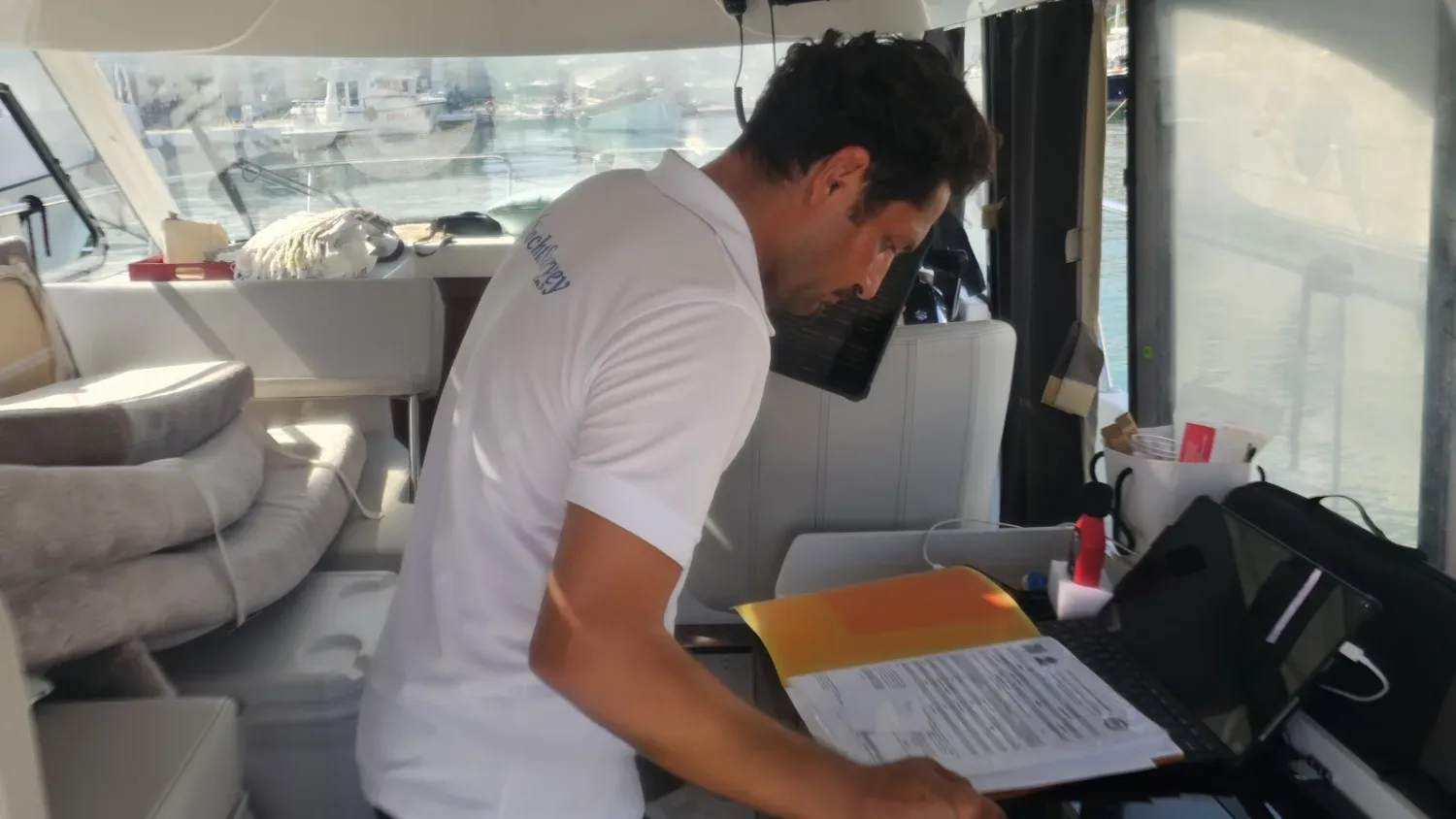
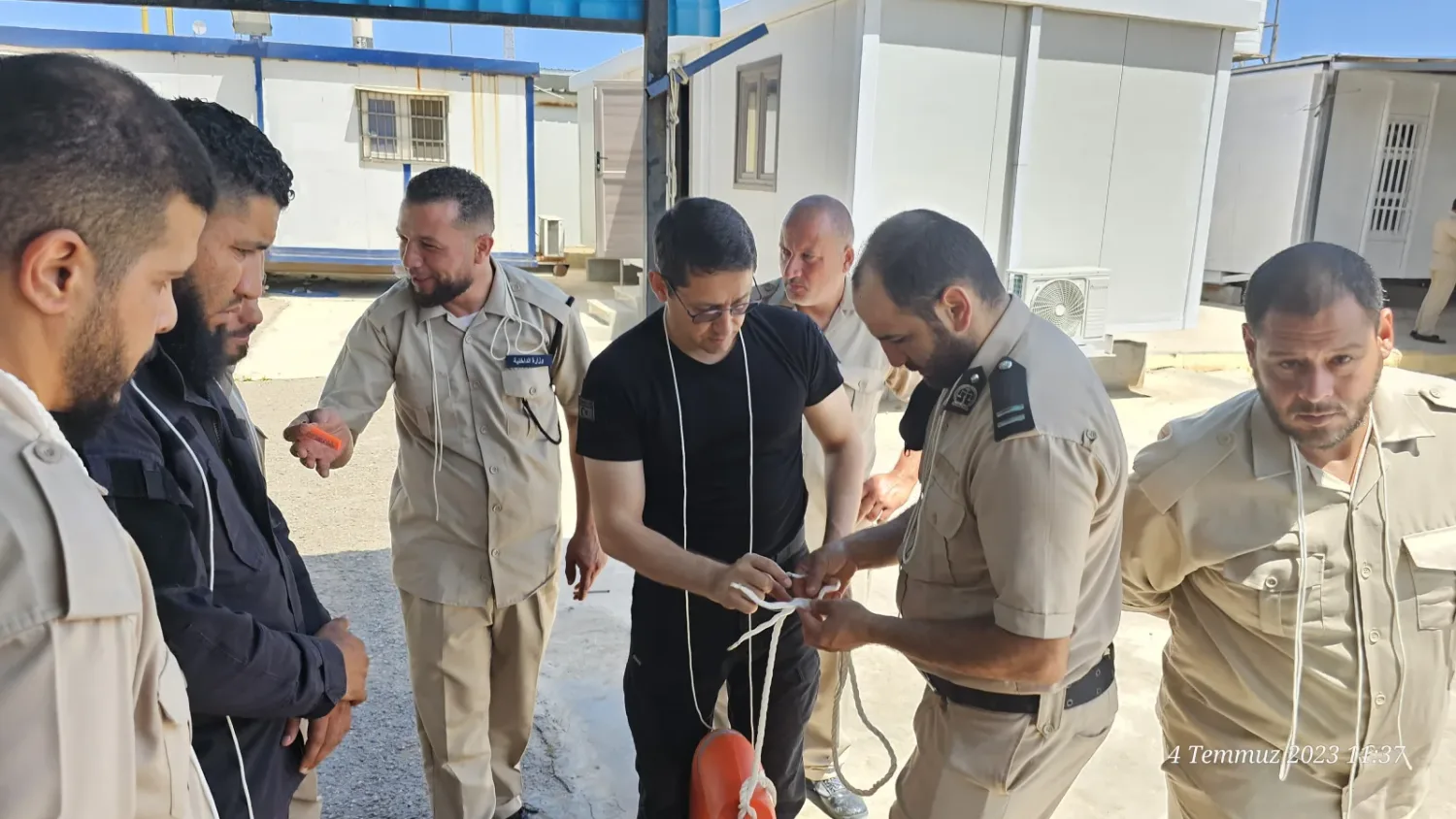
Life-saving: liferaft (service date, capacity, mounting and hydrostatic release), lifejackets, lifebuoys, EPIRB and SART, emergency lighting and pyrotechnics — each checked for date, function and stowage. Fire: portable extinguisher charge and pressure, fixed system capacity and piping, fire pumps and blankets, with the engine-room system’s detection and trigger chain specifically tested. Emergency arrangements: alarm panels, gas detectors, emergency stops, backup power and escape routes.
Document checks
Seaworthiness, registration and flag papers, tonnage certificate, radio licence and MMSI, insurance and equipment service certificates are verified for validity and ownership consistency. On boats that have changed hands, an MMSI still registered to the previous owner and un-updated papers are the most common defects — easily fixed when caught, costly in an official inspection or a claim when not.
Listing is not enough — it has to be operated
Safety equipment is the item most often passed over as simply “present”. Yet all of it is used once, and at the worst moment; if it does not work then, its presence meant nothing.
- The fire main is pressurised and water is seen at every outlet.
- Fixed suppression — bottle pressure, service date and release chain are traced; the automatic closing of the engine room flaps is tested.
- Bilge pumps and float switches are run in manual and automatic; the alarm is tested.
- Liferaft and lifejackets — service date, capacity and the hydrostatic release are checked.
- Detectors — smoke, heat and gas detectors are tested with a real stimulus, not from the test button.
The report
Everything in one table: item, condition, expiry/service date and action. Items nearing expiry are flagged separately, so the report doubles as next season’s renewal calendar.
Duration and fee
This inspection is a chapter within a survey: it is carried out within a pre-purchase survey and a pre-season check and is not billed separately. We do not sell it as a standalone item, because coming to the boat once to look at this heading alone serves neither you nor us.
If you do need this heading on its own — in a dispute, or for a second opinion — the door is not closed. Call us and we will talk about the boat.
Fees vary with the length of the boat, where she lies and the season. For a firm price call us — tell us about the boat and we will give you the number on the phone.
Knowledge base
Questions related to this topic
- What is checked in the electrical system, and how is fire risk identified?
- What does thermal imaging find that a standard survey does not?
- How should you choose a delivery skipper?
- What communications equipment is required, and what does GMDSS require?
- How is the electrical system upgraded to 24V or lithium?
- Why do batteries get hot?
- How much is the British flag registration package?
- Which Turkish yards are reliable to buy from?
From the field
What this work looks like on board
6 frames
These frames were taken during real surveys. None of them are stock: each one is a measurement or a check described on this page.
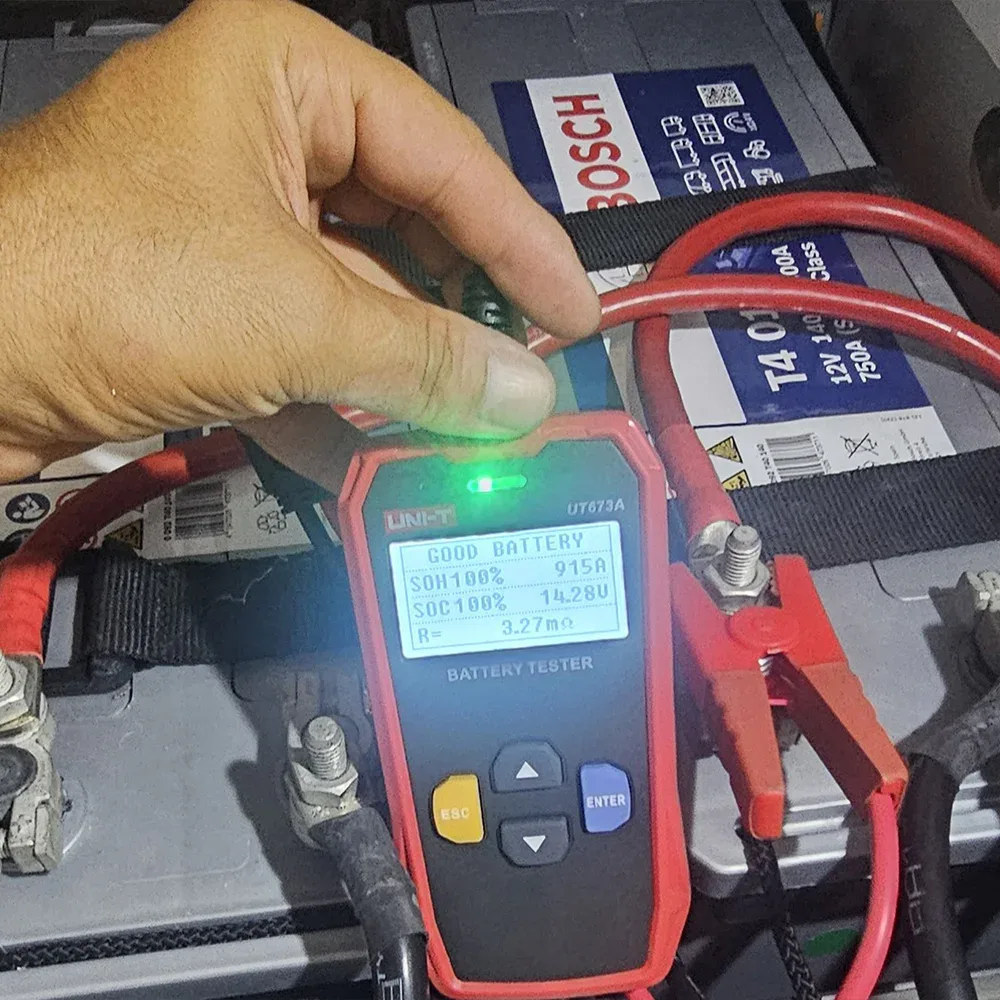
Load test on the battery bank 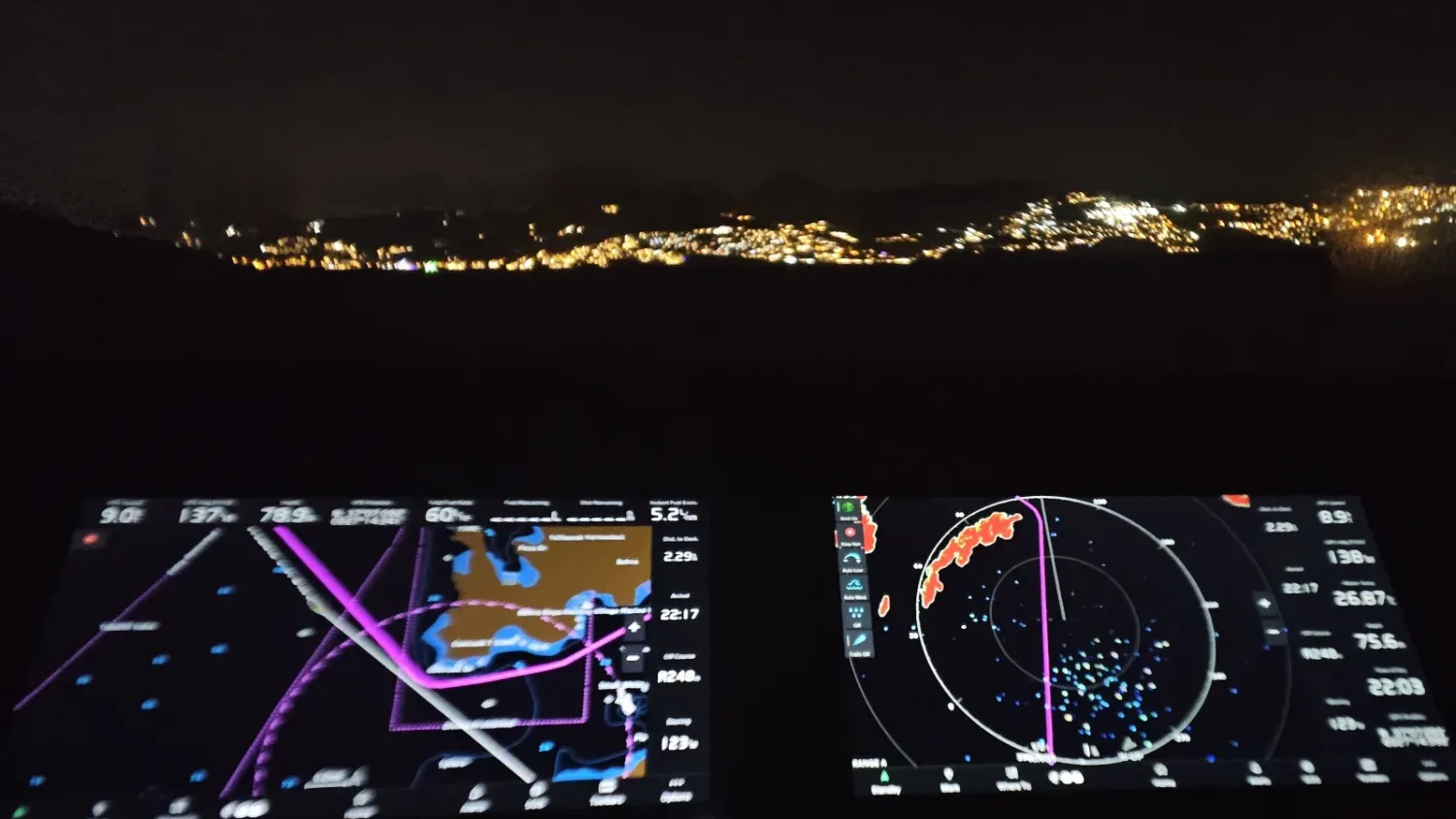
Radar and chart at night 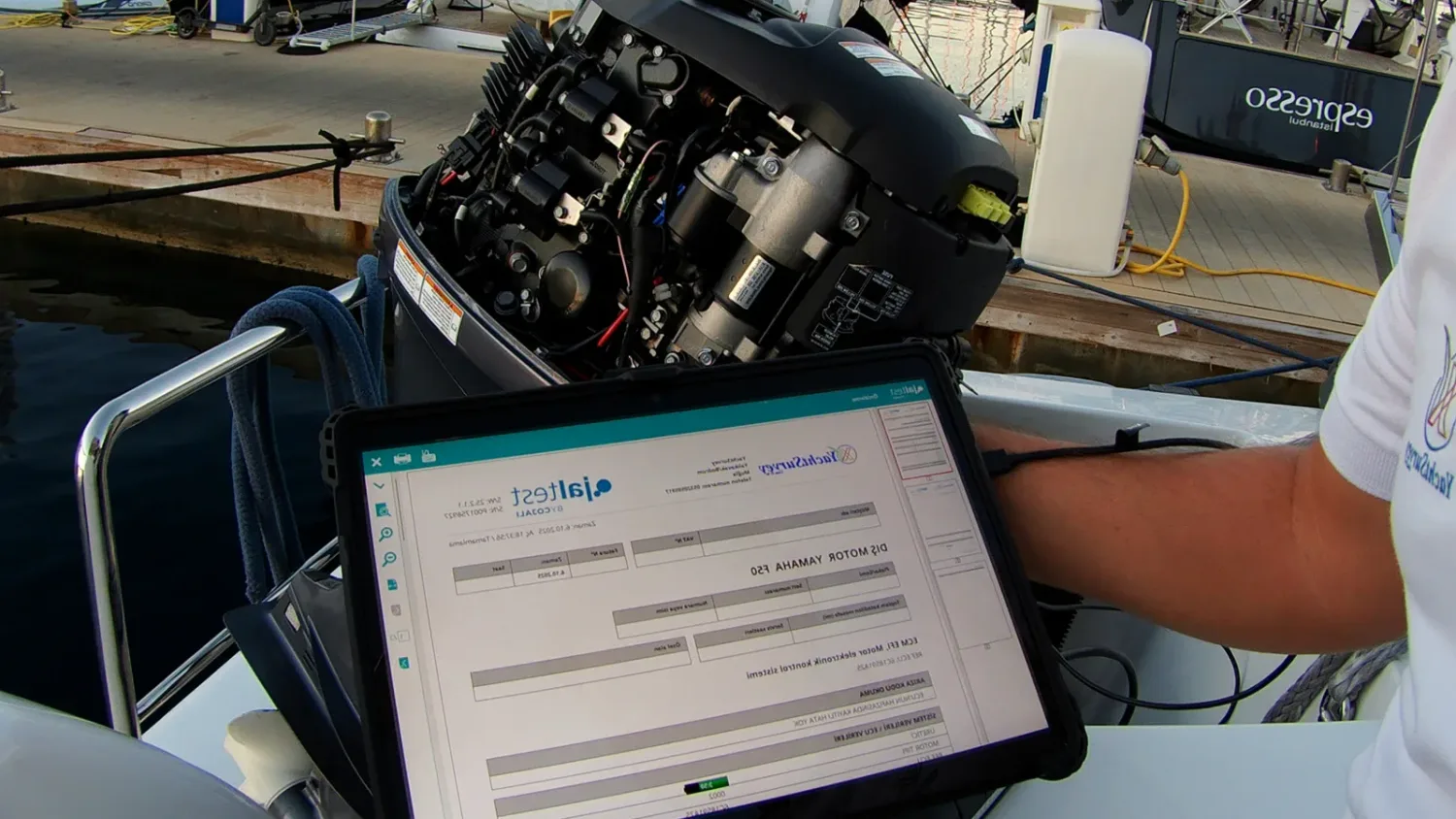
Tender inspected on deck 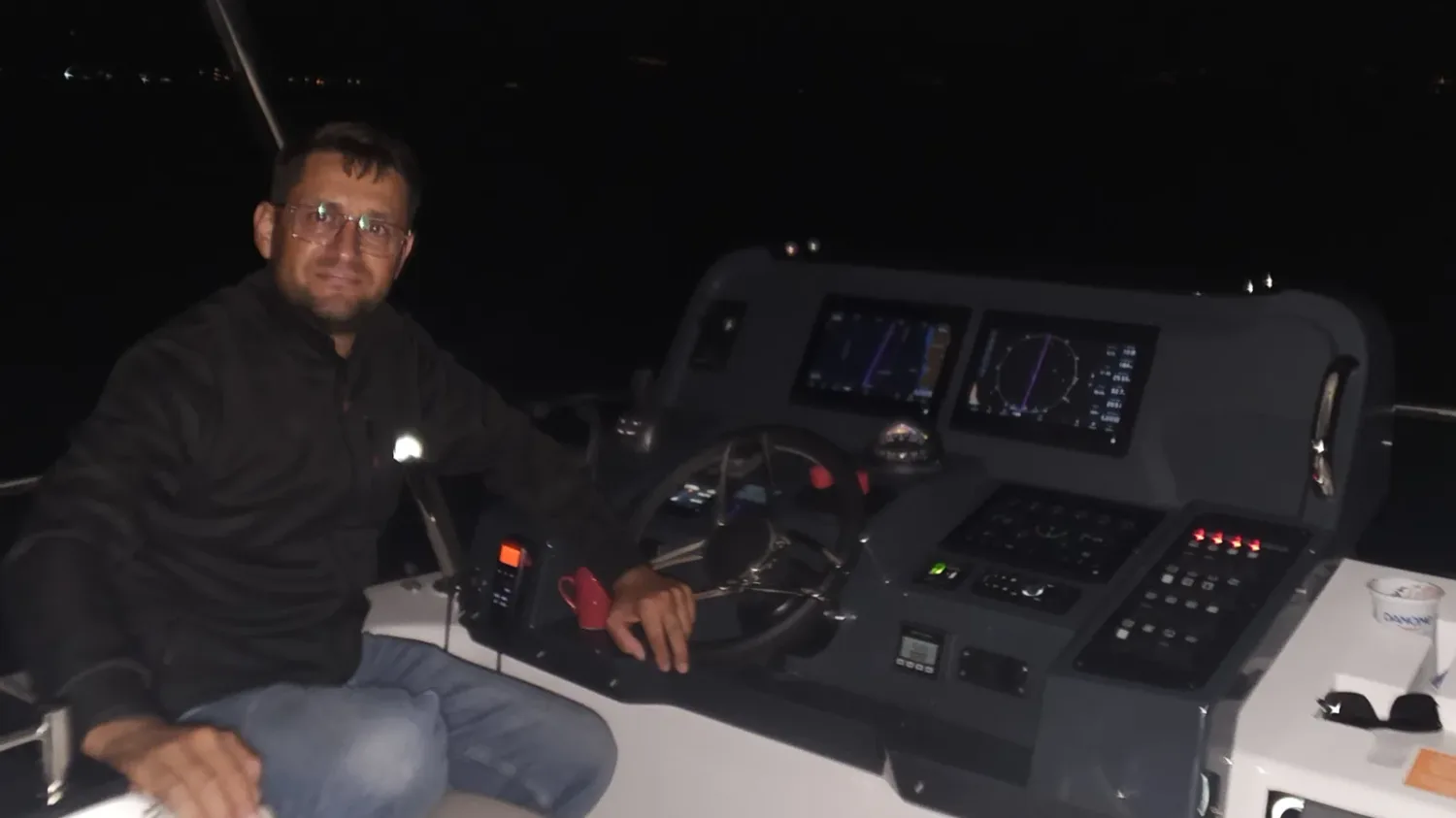
The console on a night passage 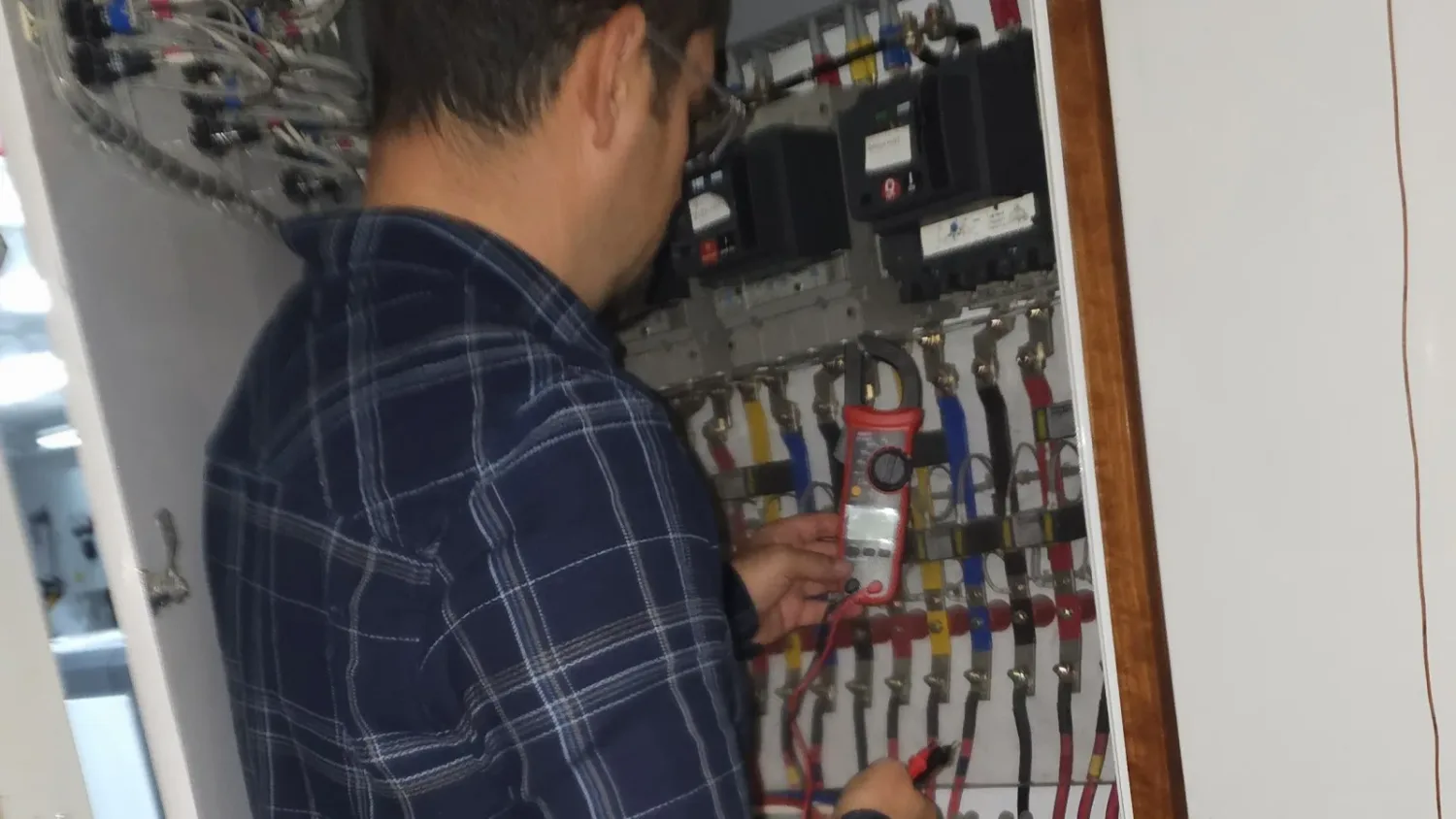
Current measured at the panel 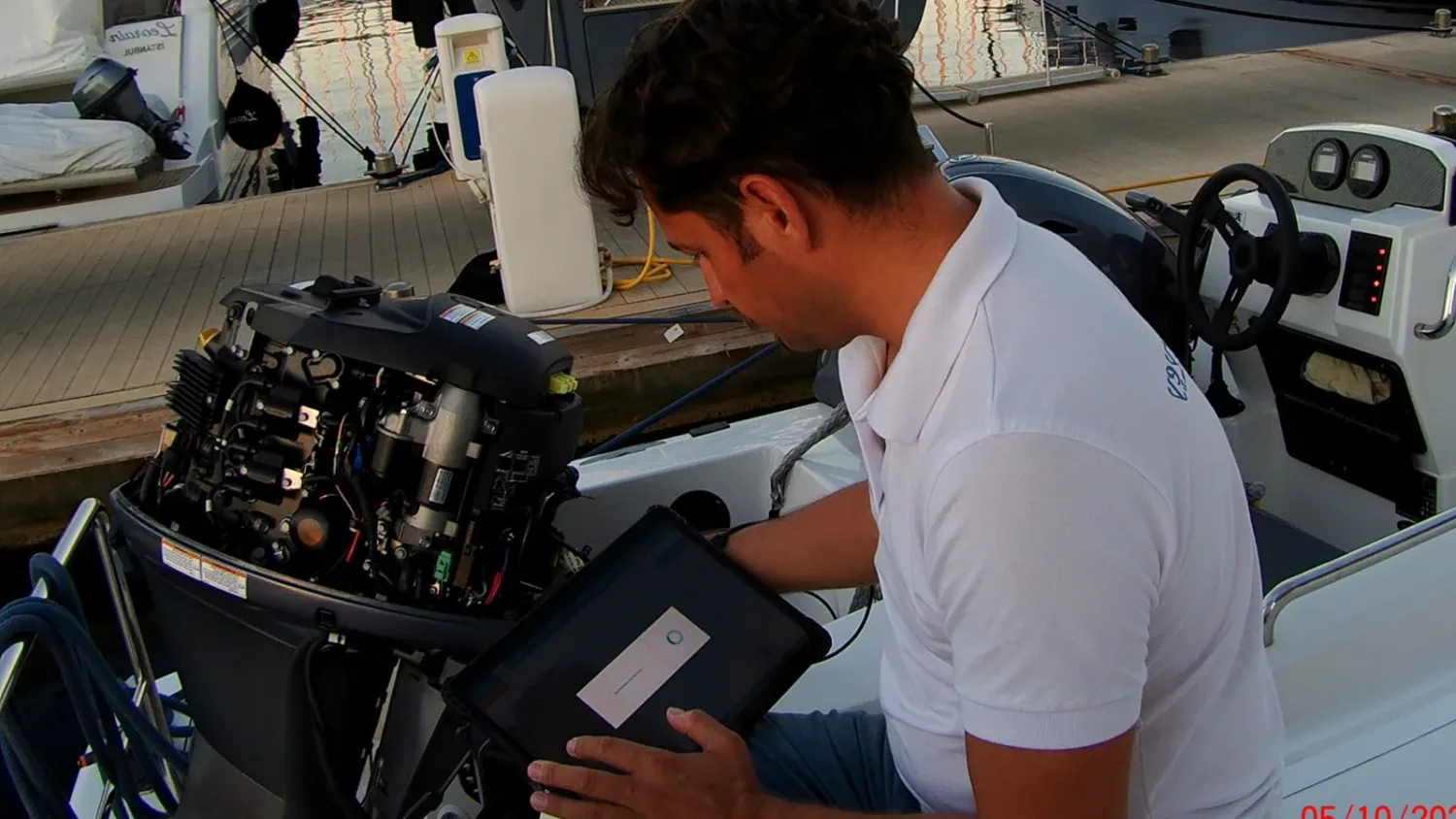
Checklist worked through on a tablet
Frequently asked questions
Common questions
Which documents are checked?
Why is the liferaft service so critical?
Does this survey replace an official inspection?
Services
Other services
- SURVEY
Pre-Purchase Yacht Survey
Find out what the vessel really is before you commit. An independent report backed by measured values you can use in the negotiation.
26 € / ft - SURVEY
Damage Survey
The true extent and repair cost of the damage, documented independently — a report you can put in front of your insurer.
26 € / ft - SURVEY
Insurance Survey
The condition and valuation report insurers require before issuing or renewing a policy. Independent measurements, photographed findings, written under the headings the underwriter expects.
26 € / ft
Contact
Book your survey
Tell us where the vessel lies and your approximate date — we reply the same day.

Serkan Kotel
Yacht surveyor · IIMS · ABYC · MCA — the person who answers the phone, walks the boat and signs the report is the same person.
Phone
+905320595917Service areas
Bodrum · Yalıkavak · Turgutreis · Milas · Göcek · Fethiye · Marmaris · Datça · İstanbul · Ayvalık · Antalya