
Updated:
Dye Penetrant Testing
Hairline cracks the eye cannot see — in rig terminals, shafts, welds — made visible with penetrant dye and photographed.
- Hairline cracks caught before they are visible
- Applied to stainless terminals and weld seams
- The method is non-destructive; nothing is dismantled
- Findings documented with macro photography
- Used on rigs, rudder stocks and under padeyes
Dye penetrant testing makes hairline cracks in metal visible without damage. It is used on stainless rig terminals, weld seams, rudder stocks and load-bearing padeyes.
A hairline crack is failure’s first stage
Metal fatigue advances silently: first a surface crack too fine to see, then growth under load cycles, finally sudden fracture. In a shaft, a rudder stock or a shroud terminal, the last link of that chain plays out at sea. Penetrant testing cuts the chain at its first link — making the crack visible at the stage no eye can catch.
How the test works
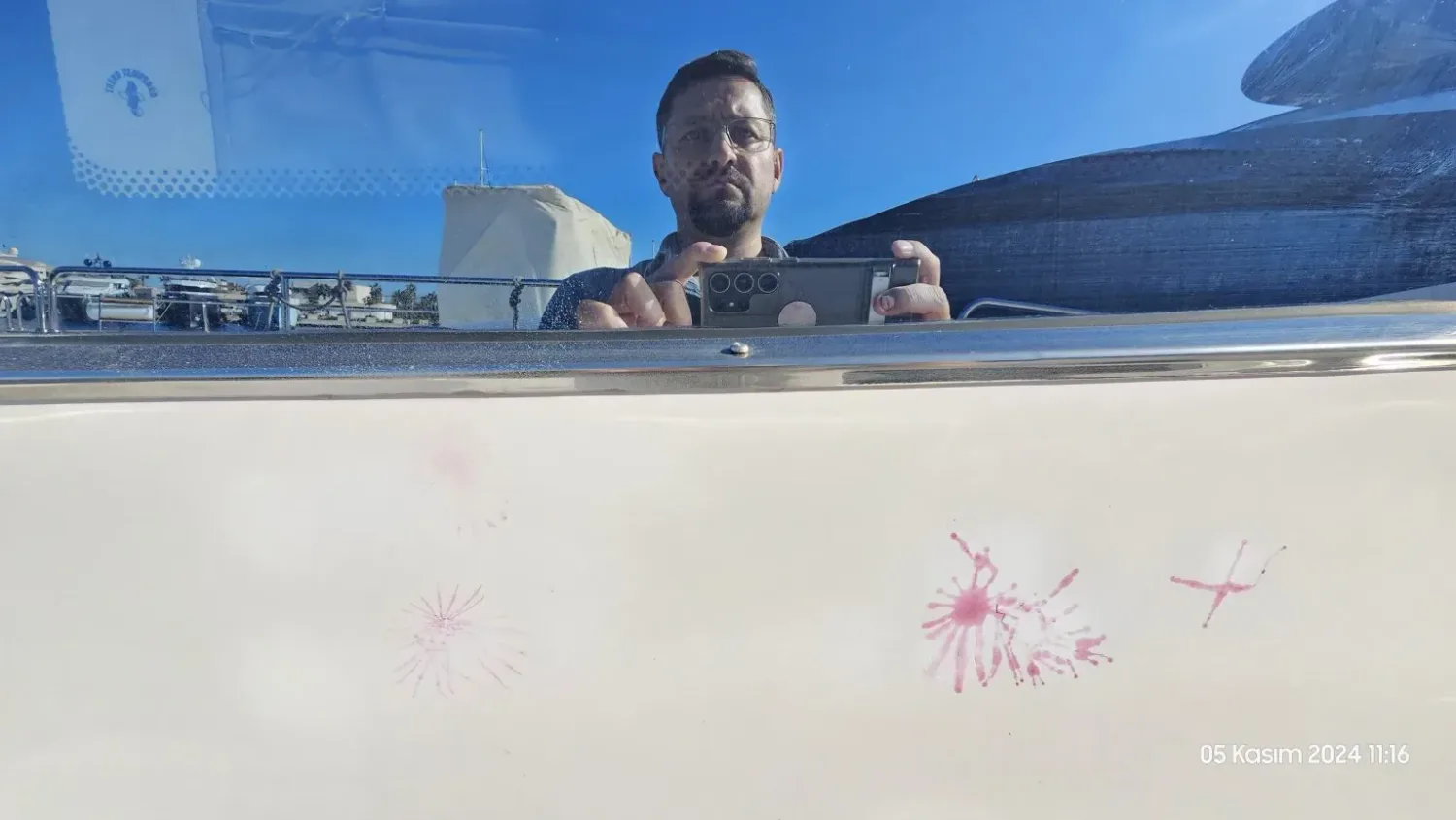
Four standardised steps: the surface is cleaned of oil, dirt and coatings; coloured or fluorescent penetrant is applied and drawn into any capillary defects during the dwell time; excess is carefully removed, leaving dye inside the cracks; developer then pulls that dye back to the surface, where the defect appears as a sharp line under normal or UV light. The result photographs directly — the reader of the report sees the crack as an image, not an interpretation.
Where we use it
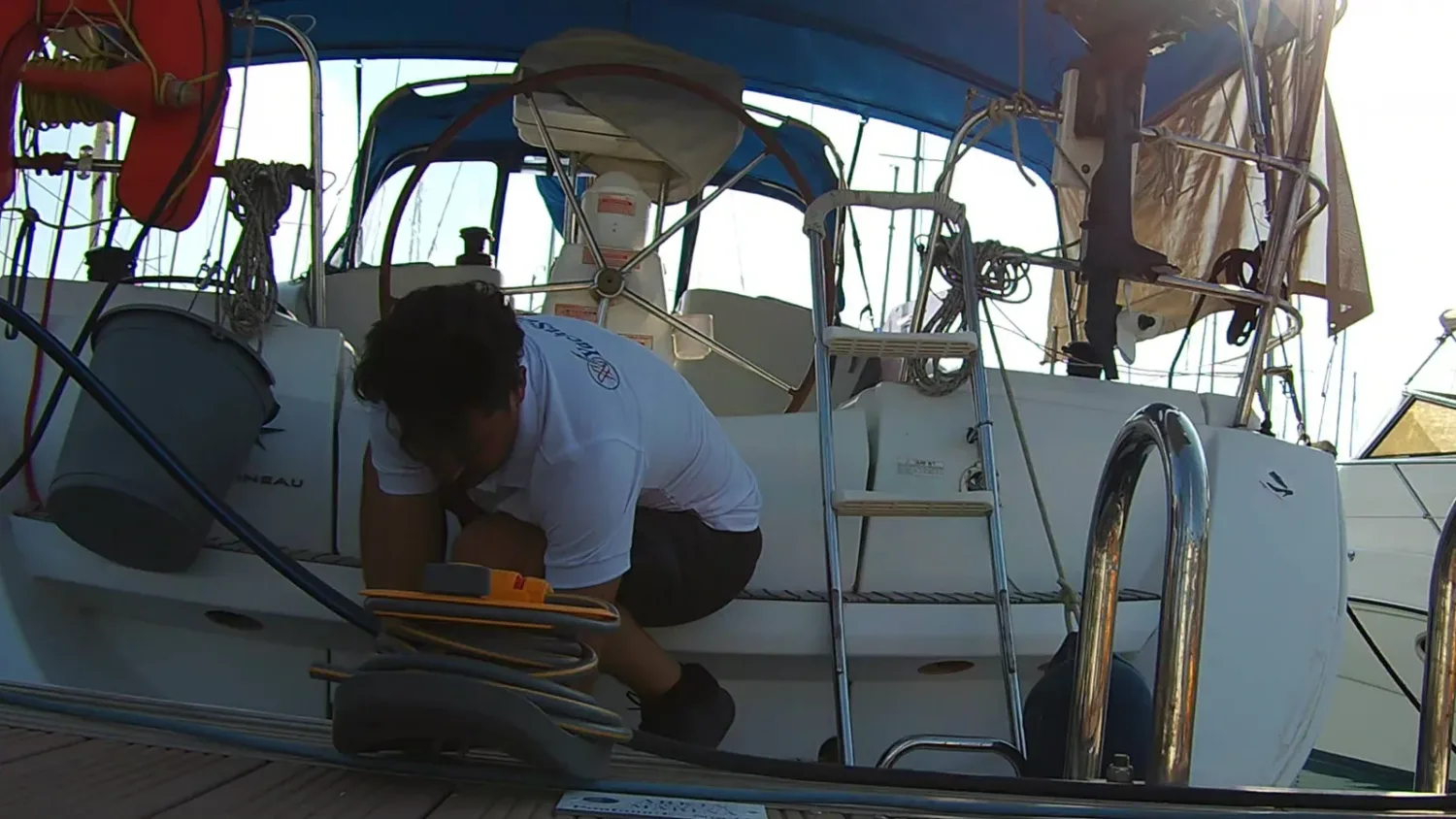
Most often: shroud and stay terminals, mast and spreader fittings, chainplates, shaft and propeller boss, rudder stock, stainless rail welds and engine brackets. On composites: the boundaries of past repairs and structural joint lines.
Where it works, and where it does not
Penetrant shows a crack open to the surface; it does not show a void beneath it. Used with that limit in mind, it is a powerful method.
| Works for | Does not work for |
|---|---|
| Stainless terminals, shroud and forestay ends | Delamination inside laminate (hammer / moisture meter) |
| Weld seams and heat-affected zones | Plate thinning (ultrasonic measurement) |
| Rudder stocks, padeyes and base plates | Painted surfaces — cleaning comes first |
Penetrant is therefore used alongside the hammer and ultrasonic measurement, not instead of them; which defect was sought by which method is stated in the report.
How it relates to other methods
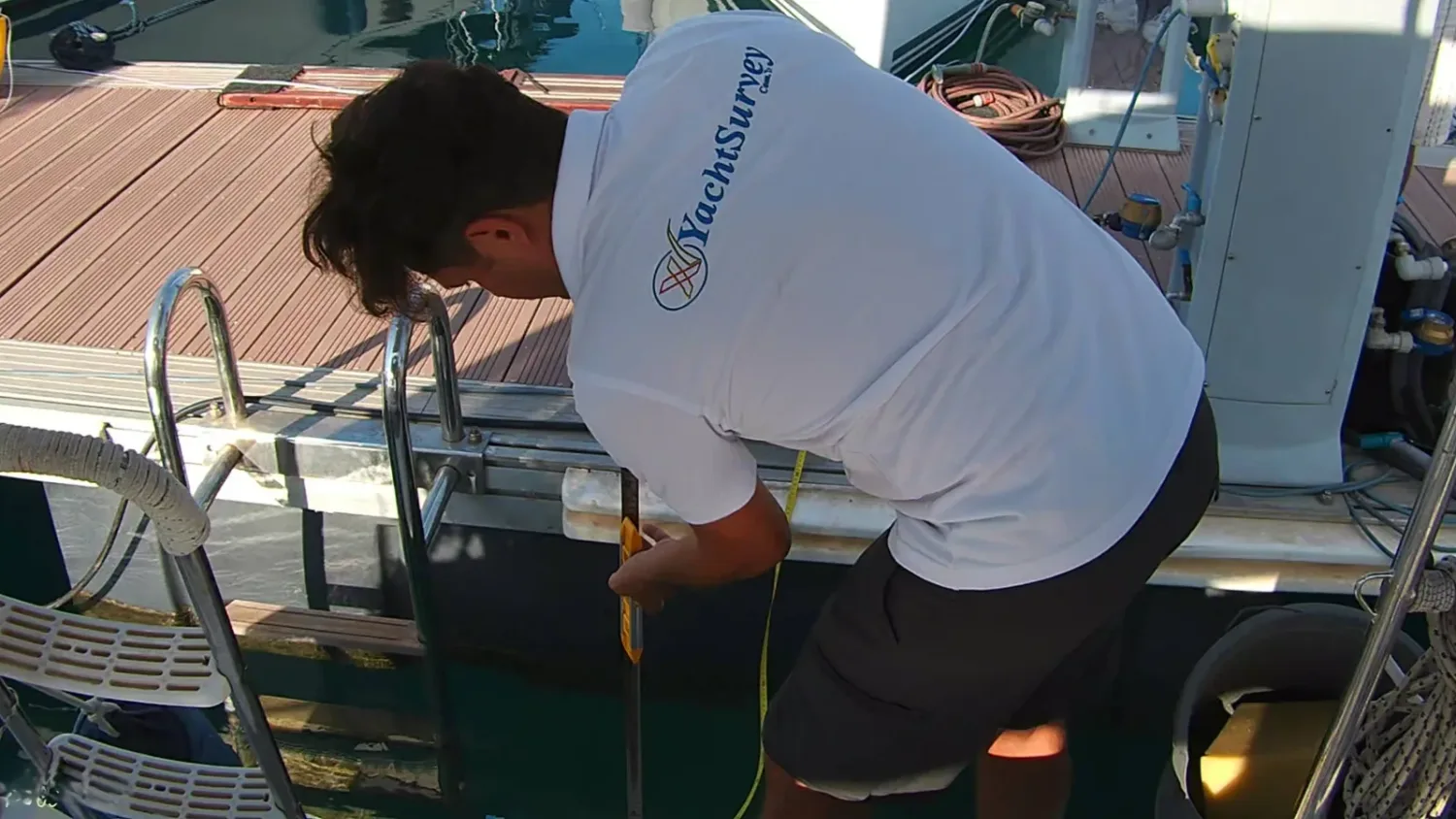
Penetrant testing shows only surface-breaking defects; internal thinning belongs to ultrasonic thickness measurement and hidden moisture to the osmosis test. The three complement rather than replace each other.
Duration and fee
This inspection is a chapter within a survey: it is carried out within a pre-purchase survey and a rig survey and is not billed separately. We do not sell it as a standalone item, because coming to the boat once to look at this heading alone serves neither you nor us.
If you do need this heading on its own — in a dispute, or for a second opinion — the door is not closed. Call us and we will talk about the boat.
Fees vary with the length of the boat, where she lies and the season. For a firm price call us — tell us about the boat and we will give you the number on the phone.
From the field
What this work looks like on board
6 frames
These frames were taken during real surveys. None of them are stock: each one is a measurement or a check described on this page.
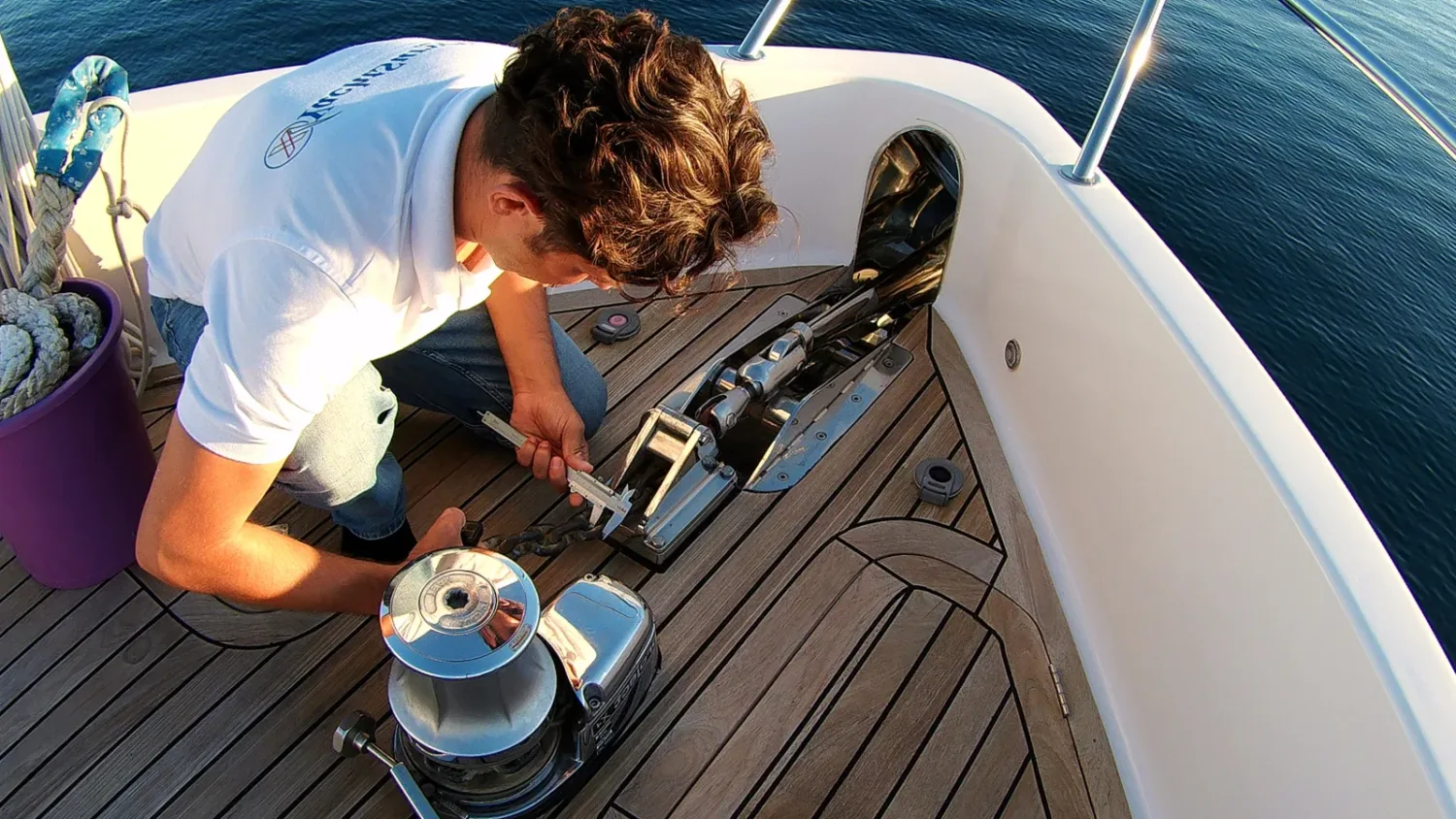
Fitting removed to check the backing 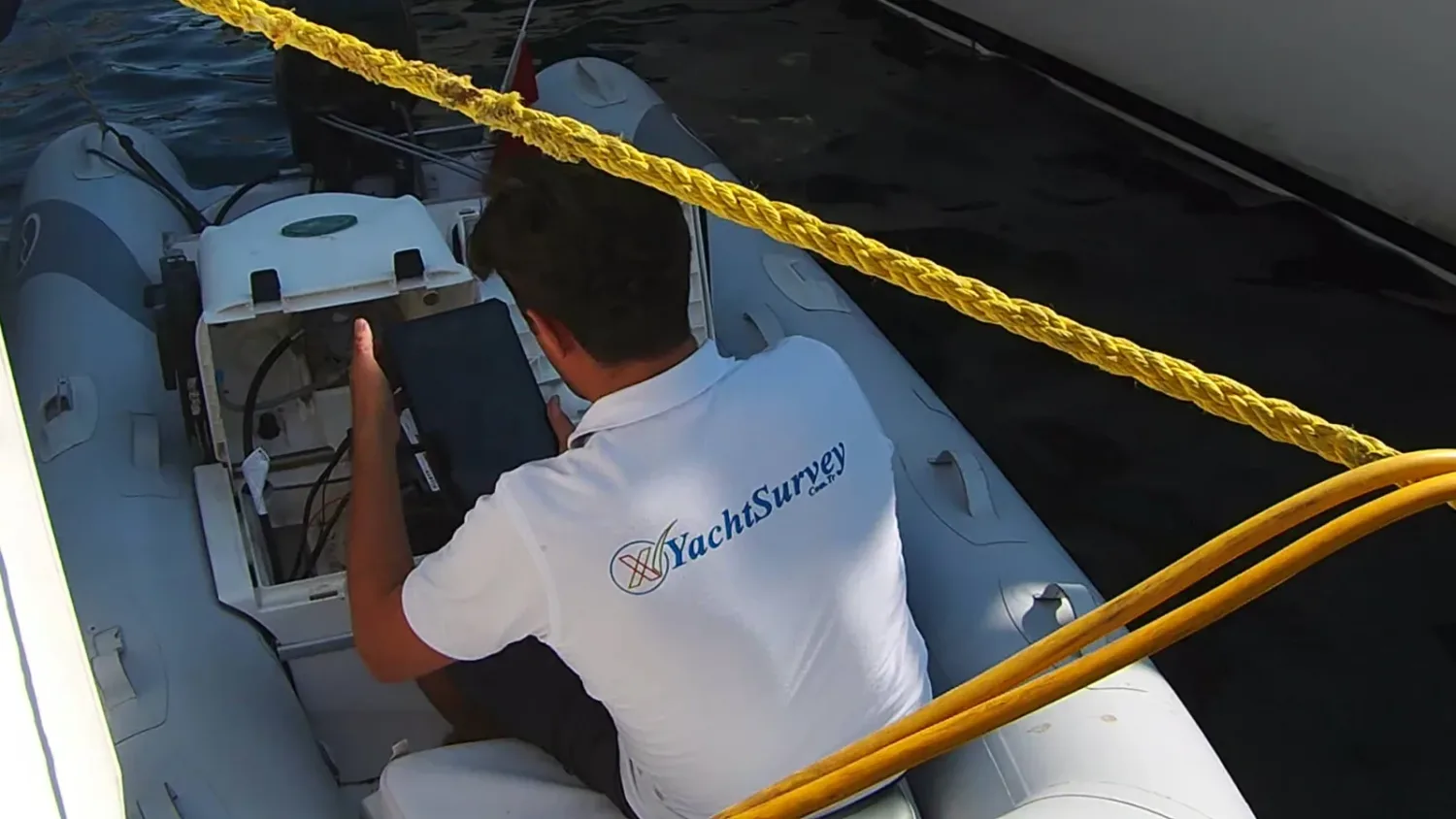
Rope and rigging check 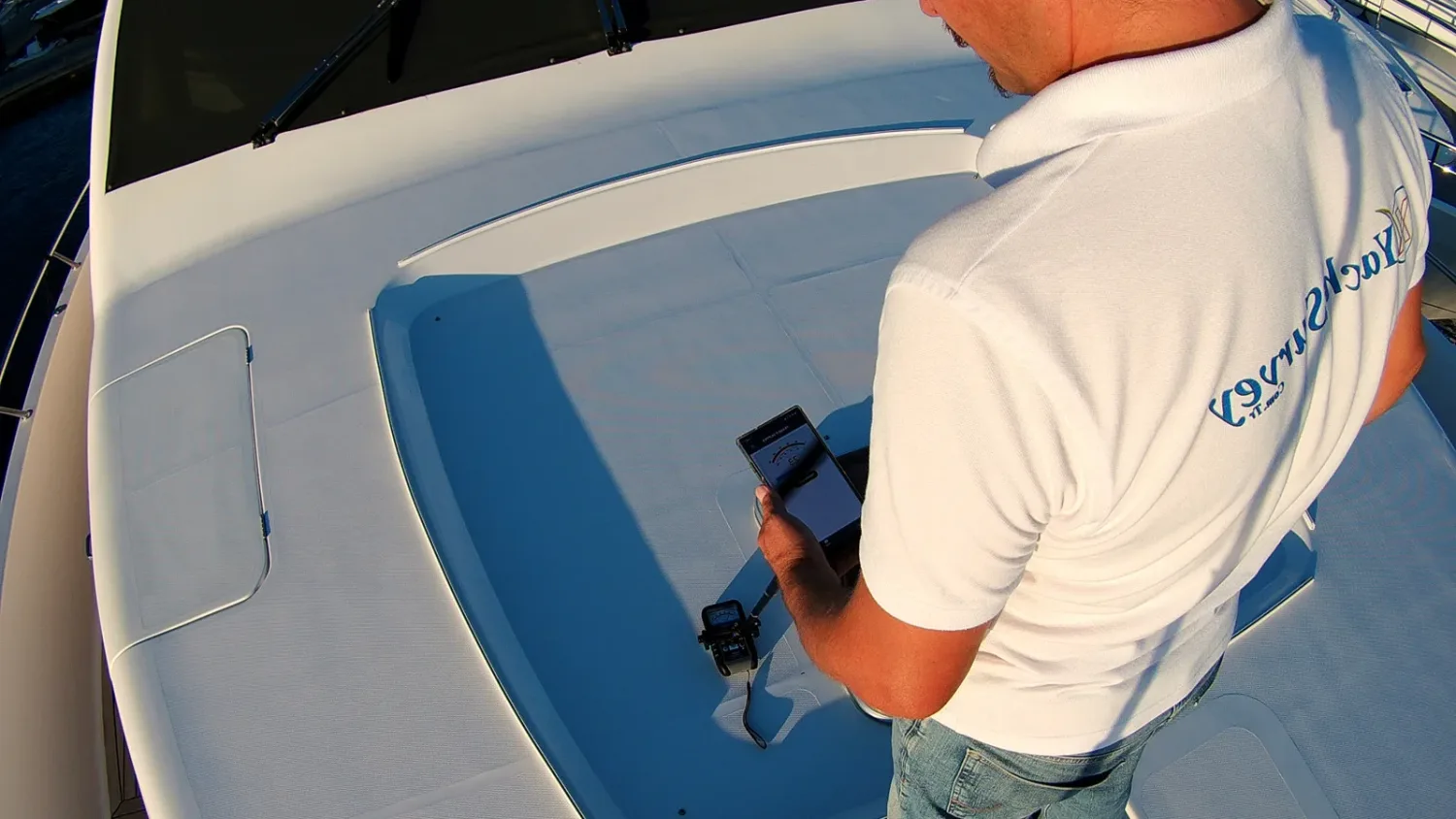
Moisture reading on the hardtop 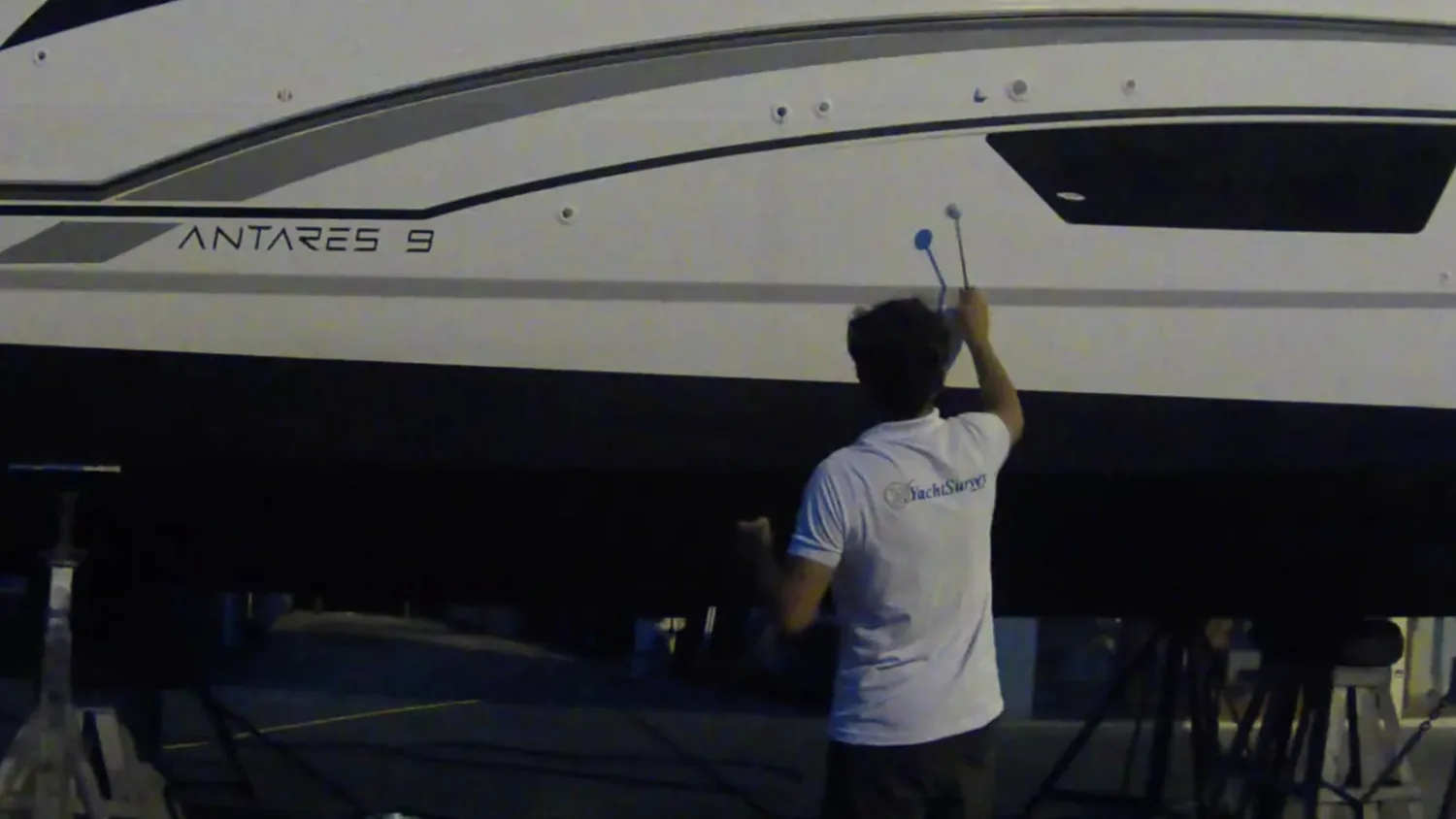
Percussion sweep across the hull 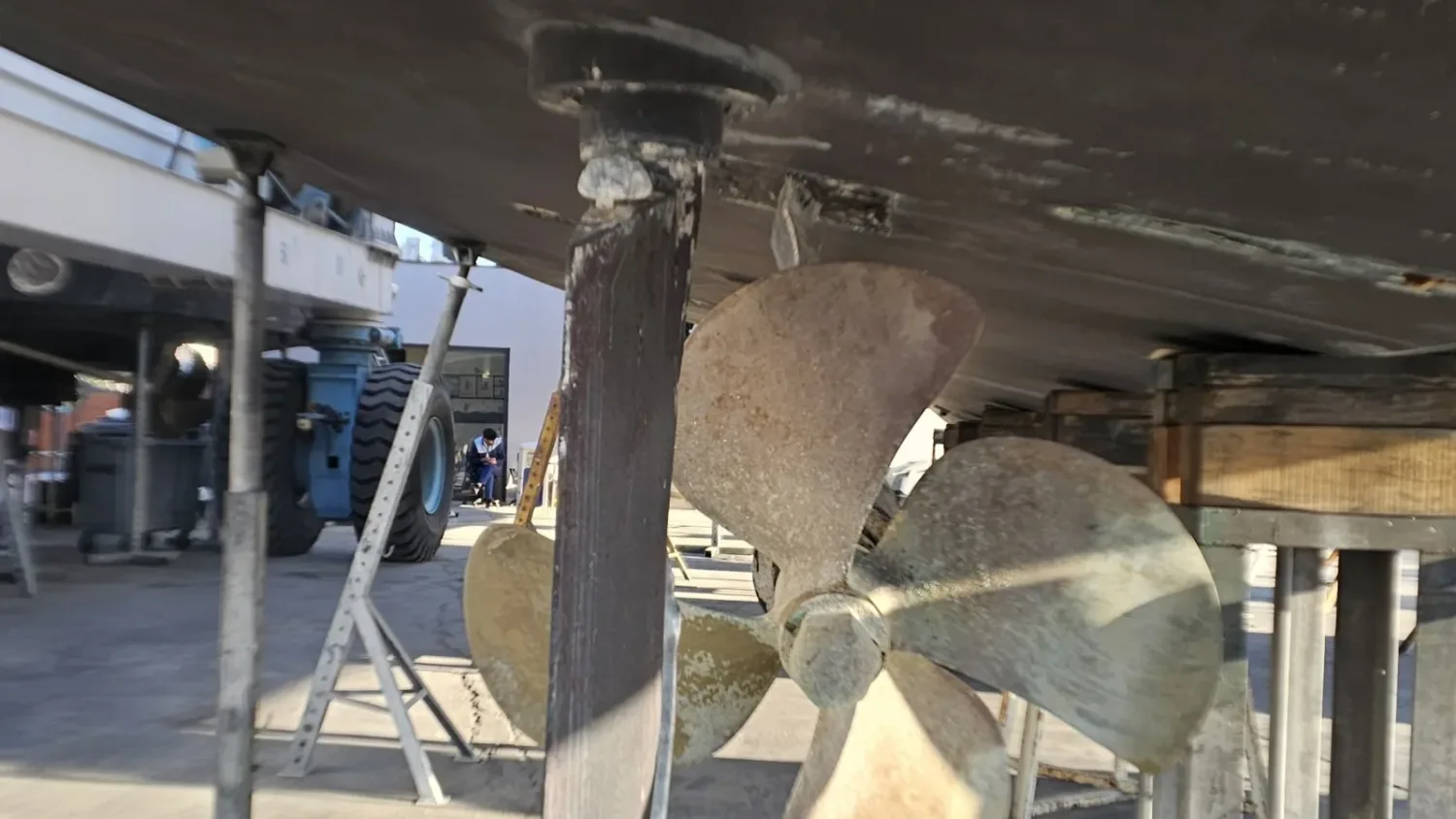
Corrosion on shaft and propeller 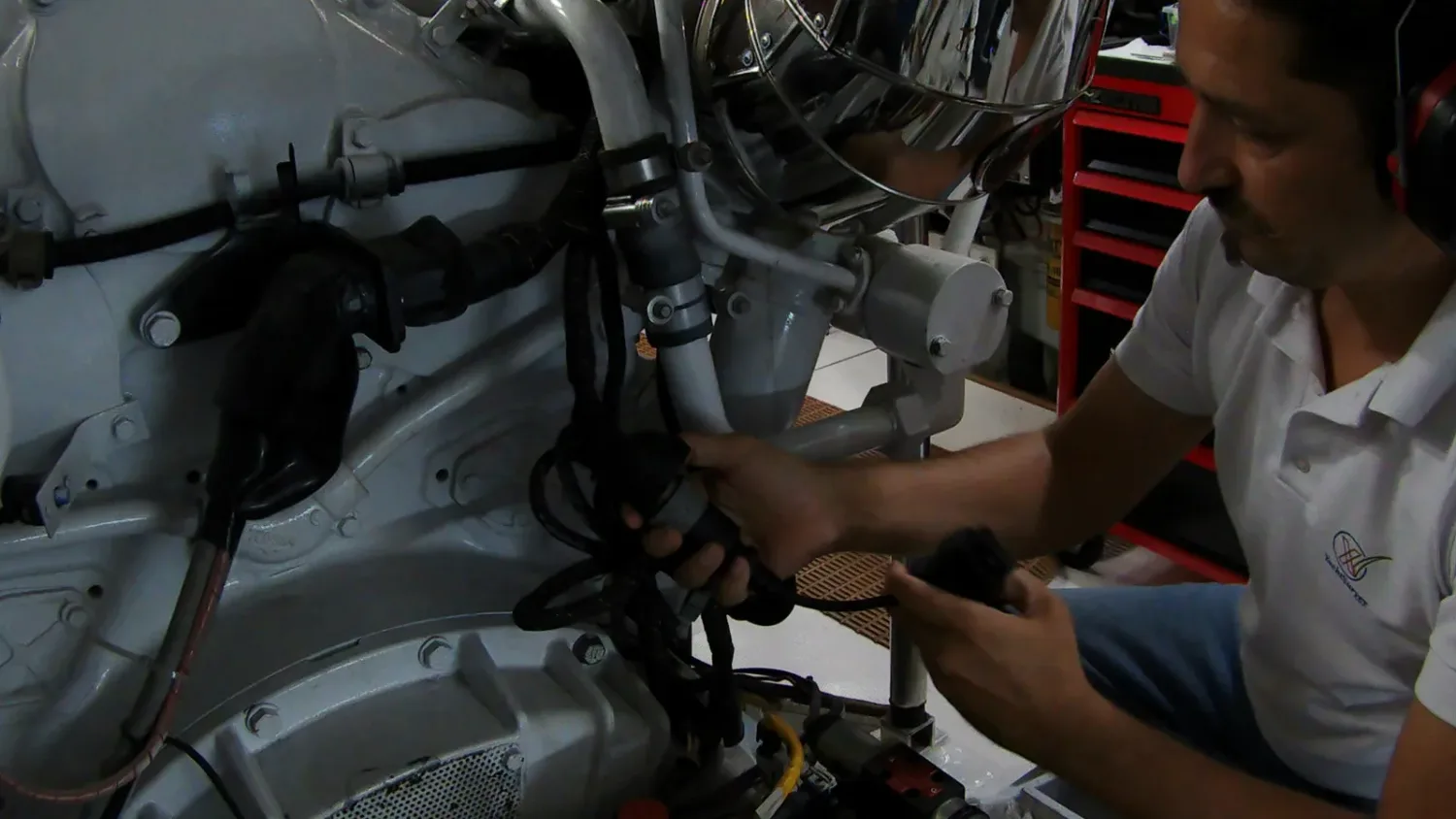
Checking play in the shaft line
Frequently asked questions
Common questions
Which parts is the test applied to?
Does the test harm the surface?
Why are rig terminal cracks such a concern?
Services
Other services
- SURVEY
Pre-Purchase Yacht Survey
Find out what the vessel really is before you commit. An independent report backed by measured values you can use in the negotiation.
26 € / ft - SURVEY
Damage Survey
The true extent and repair cost of the damage, documented independently — a report you can put in front of your insurer.
26 € / ft - SURVEY
Insurance Survey
The condition and valuation report insurers require before issuing or renewing a policy. Independent measurements, photographed findings, written under the headings the underwriter expects.
26 € / ft
Contact
Book your survey
Tell us where the vessel lies and your approximate date — we reply the same day.
Serkan Kotel
Yacht surveyor · IIMS · ABYC · MCA — the person who answers the phone, walks the boat and signs the report is the same person.
Phone
+905320595917Service areas
Bodrum · Yalıkavak · Turgutreis · Milas · Göcek · Fethiye · Marmaris · Datça · İstanbul · Ayvalık · Antalya