Published: 10 September 2026
UK Flag Registration from Turkey, Step by Step (Part I)
How does a yacht owner based in Turkey move to the British flag? Nine steps from the decision to the certificate, with who does what at each step and how long it takes.
Serkan Kotel · Yacht surveyor · IIMS · ABYC · MCA — the person who answers the phone, walks the boat and signs the report is the same person.
Related service: UK Flag Registration →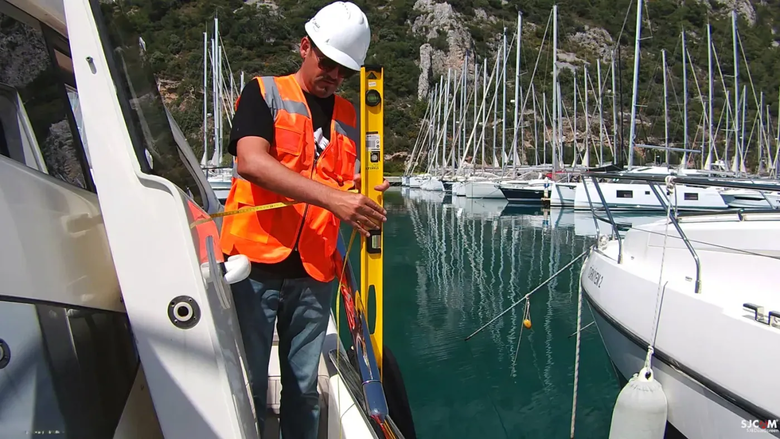
The British flag is the foreign flag most often chosen by yacht owners based in Turkey: recognition in ports worldwide, a mature registry law, and title (including mortgages) recorded on an official register. Below is the process in nine steps, from the decision to the certificate, with who does what at each step and how long it takes. We run the process as one package, but knowing the steps is what lets you compare offers.
Step 1 — Part I or Part III?
The UK Ship Register has two relevant parts.
- Part I: the full register. International recognition, recorded title and mortgage, name reservation. No nationality requirement; registration is through a UK-incorporated company. From Turkey, this is the route.
- Part III (SSR): the simplified register for vessels under 24 metres. Open only to UK residents, and it is not proof of title.
A wrong decision here wastes every later step. When you take an offer, ask which Part is proposed and why.
Step 2 — Forming a UK company
Whatever the owner’s nationality, a Part I entry is made in the name of a UK-incorporated company rather than the individual. Formation takes a few days; the boat becomes the company’s only asset. Company formation is part of our package, and the company’s annual obligations are handed over in writing at delivery.
Step 3 — Collecting the ownership documents
The registry wants to see the chain of ownership. The file contains:
- Bill of Sale, or for a new boat the Builder’s Certificate; a Bill of Sale for each earlier change of hands
- Identity documents and company documents
- The vessel’s insurance policy
- The registration certificate of the current flag, if any
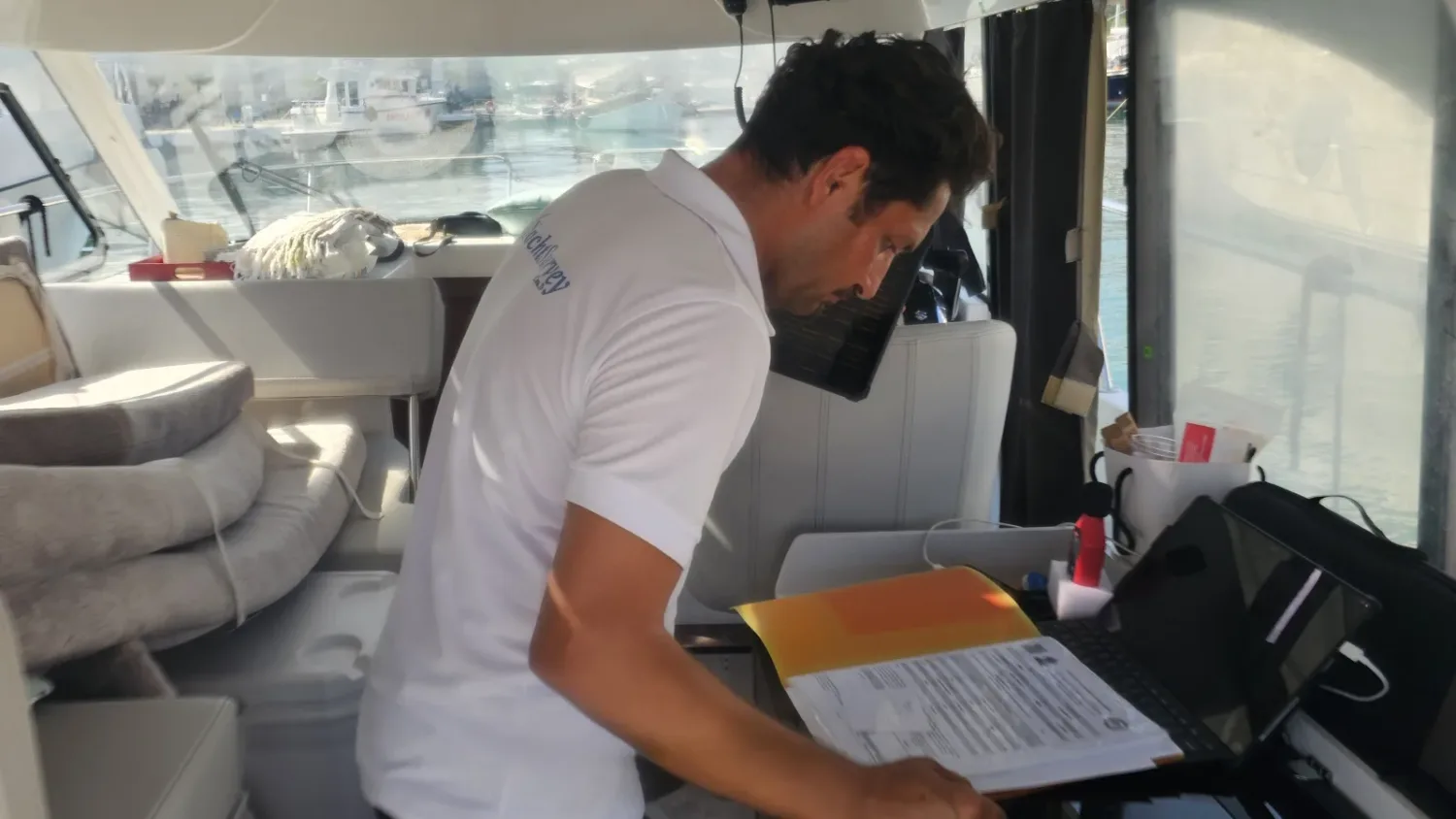
The smallest inconsistency (engine serial number, length, the spelling of a previous owner’s name) sends the file back. This is the step that costs the most time; we check the documents before anything is submitted.
Step 4 — Tonnage survey
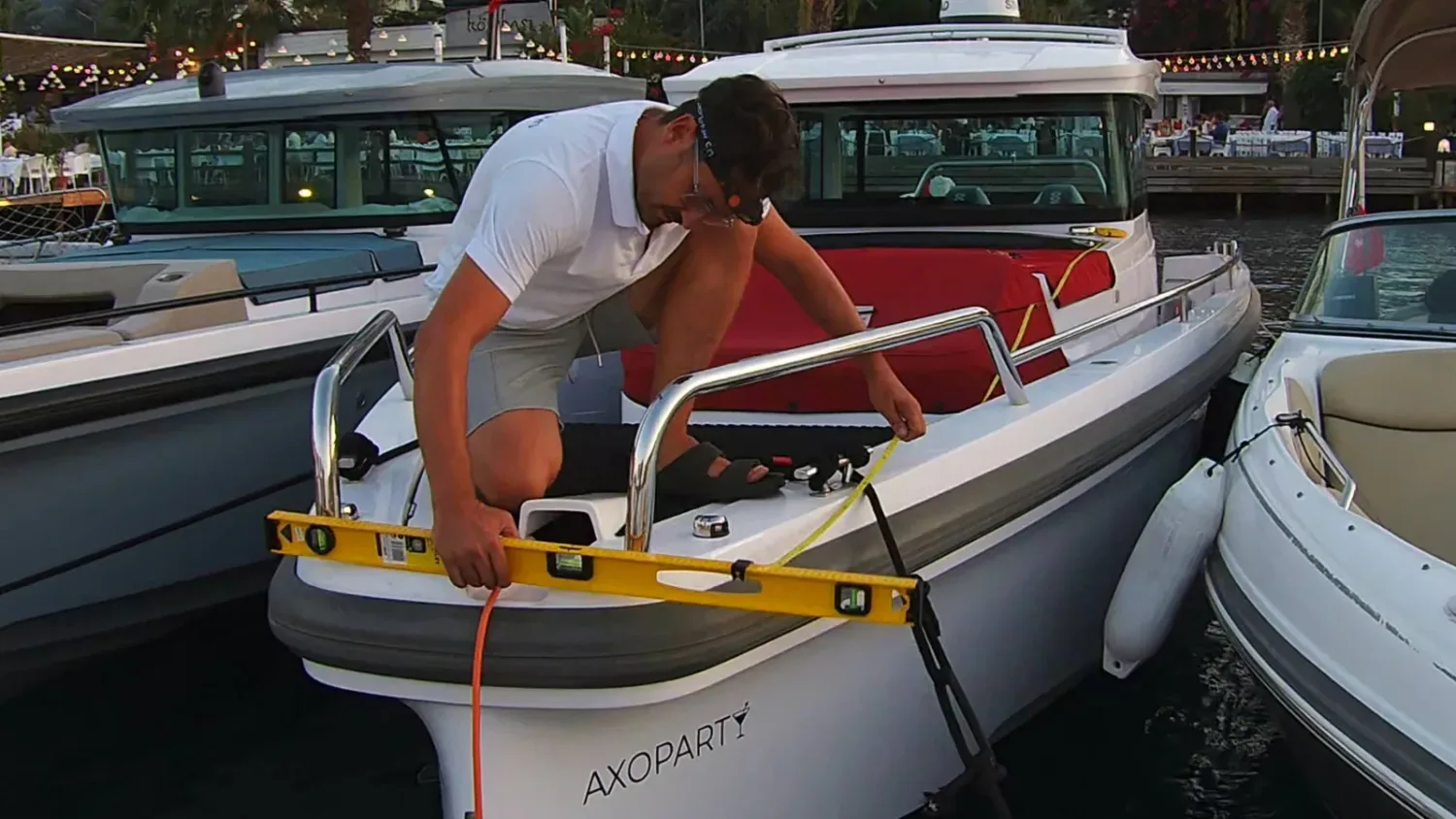
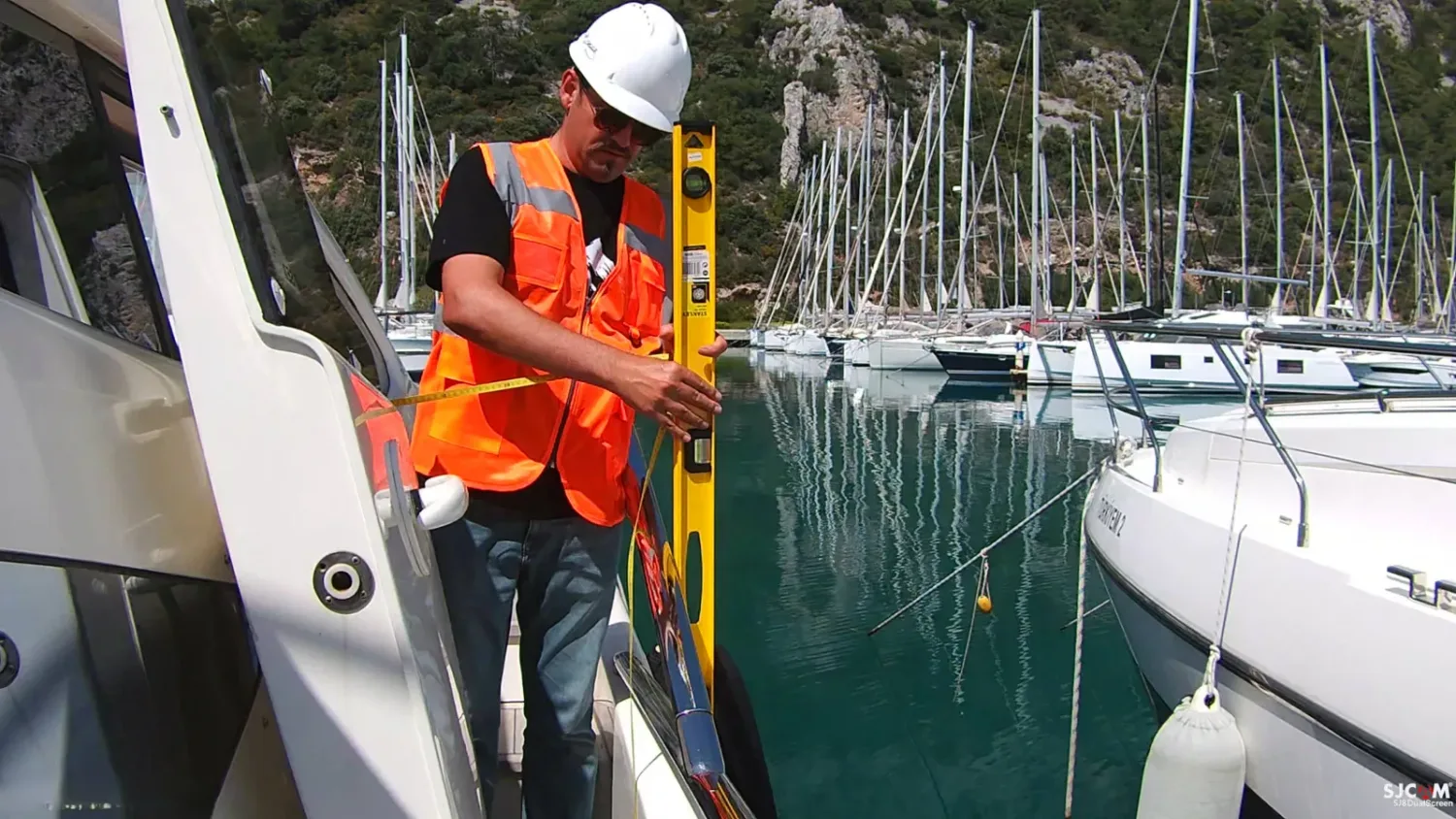
A precondition of Part I registration is the tonnage measurement: the enclosed spaces of the vessel are measured to the MCA standard, gross and net tonnage are calculated and a tonnage certificate is issued. The measurement takes a day on board; the boat does not need to come out of the water. The certificate is signed by a surveyor holding MCA-framework measurement competence; the measurement and its certificate are in our package. Detail: tonnage survey.
Step 5 — Name approval
The vessel’s name must be unique on the register; if another vessel carries the same name the request is refused, so the name is reserved before the application. The port of registry (London, for example) is chosen at this step; name and port will later be marked on the hull.
Step 6 — Radio licence and MMSI
The vessel’s communications identity is re-issued under the new flag: a radio licence is obtained and an MMSI number is allocated. VHF, AIS and EPIRB are programmed with it. The MMSI of the previous flag cannot be carried over; an MMSI never entered into the radio is one of the most common findings in our surveys.
Step 7 — The Part I application
The file (company documents, ownership documents, tonnage certificate, insurance, name approval) is submitted to the registry. With complete paperwork the registration completes in 3-6 weeks. Provisional registration is available while documents complete; the vessel keeps sailing throughout. UK government fees and taxes are included in our package.
Step 8 — Deregistration of the previous flag
A vessel cannot be on two registers at once. The previous entry is closed (for the Turkish flag, deletion from the mooring register) and the deregistration certificate is submitted to the UK registry. The deregistration fee varies by country, so it is outside the package and advised separately.
Step 9 — After registration: hull marking and renewal
When the certificate arrives, the vessel’s name and port of registry are marked on the hull; the insurance policy and the radio licence are updated to the new flag. A Part I entry is valid for 5 years and is renewed; renewal needs current documents and the fee. We remind our clients of the renewal calendar.
Time and cost summary
| Step | Who | Time |
|---|---|---|
| Choice of Part, document check | Together | 1 day |
| Company formation | Us | A few days |
| Tonnage survey | Us, on board | 1 day |
| Name approval, radio licence, MMSI | Us | With the application |
| Part I application and follow-up | Us | 3-6 weeks |
| Previous flag deregistration | Us | Depends on the country |
| Hull marking, renewal tracking | You; we remind | Every 5 years |
The package is €2,000 + VAT; company formation, tonnage survey, radio licence and MMSI, Part I registration and UK government fees are included. The only item outside the package is the deregistration fee of the previous flag.
I wrote my master’s thesis on the tax and prestige loss to the Turkish economy from foreign-flagged yachts; that work is where I saw in detail that the choice of flag is not a formality. To talk through the right flag and the right Part for your boat, call or write.